
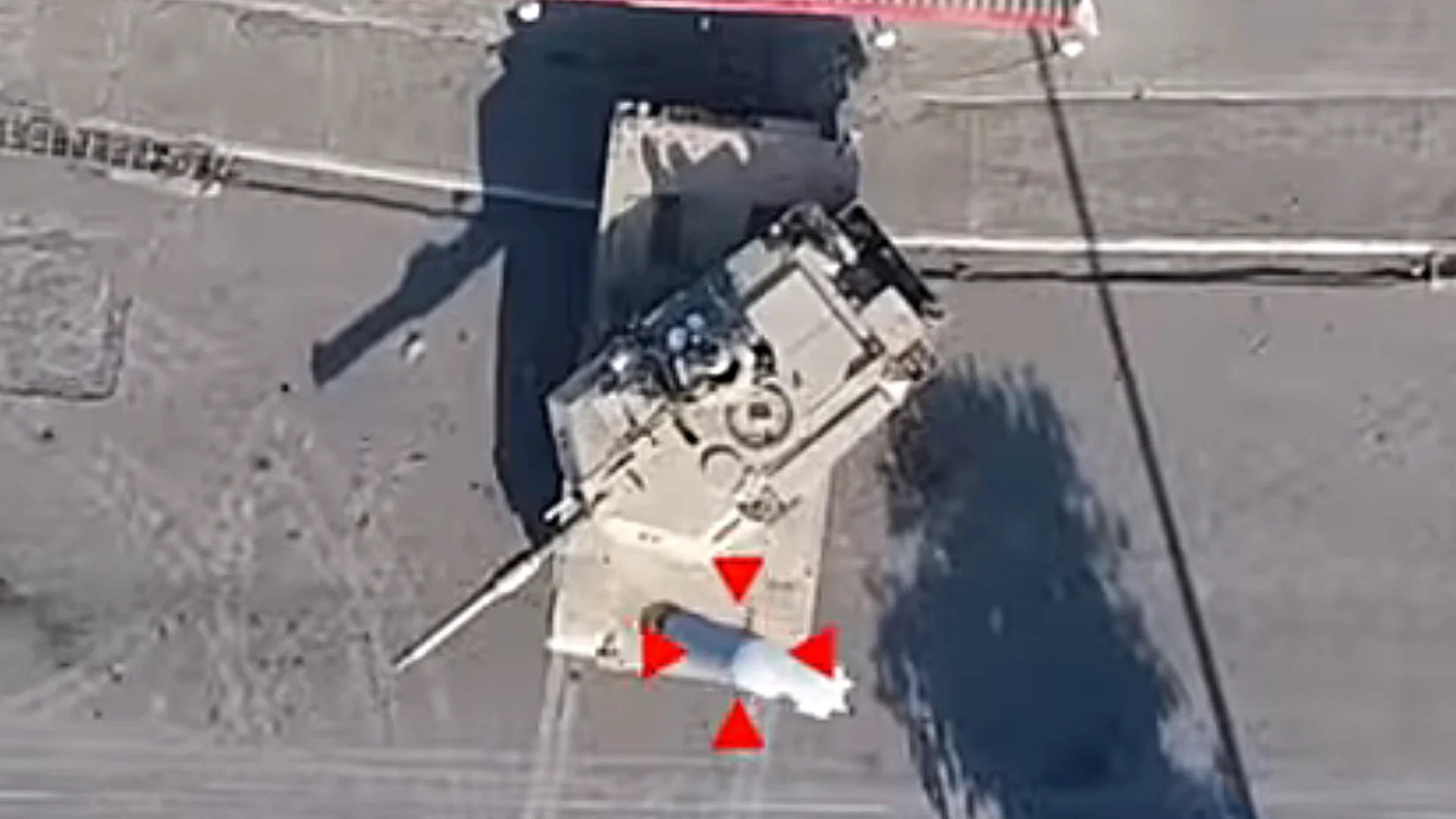
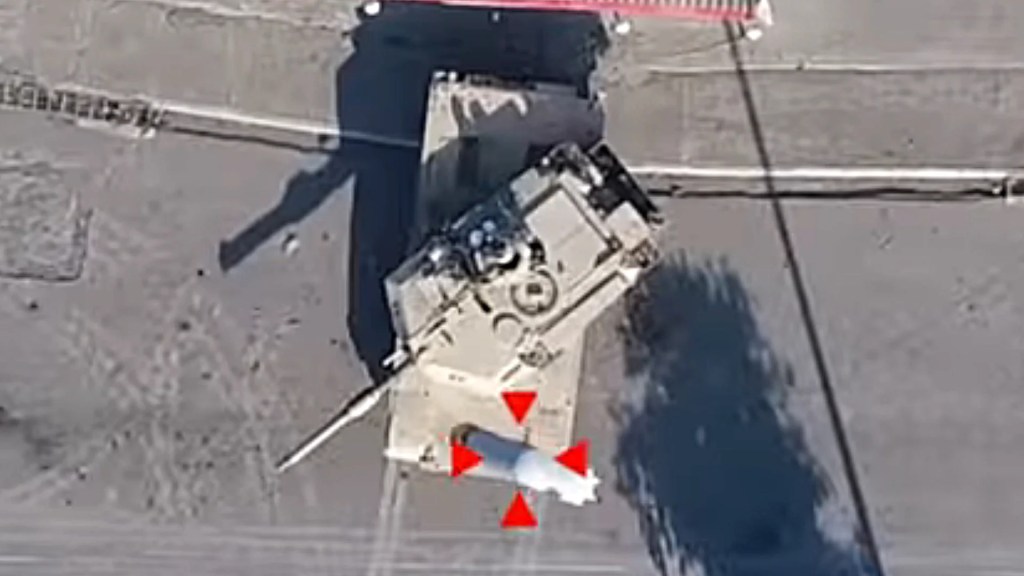
We have all seen videos of inexpensive, commercially available, drones dropping simple ordnance on tanks with devastating effects. The military refers to these drones as Small Unmanned Aerial Vehicles (SUAV). A few hundred dollars for a drone, a few dozen dollars for a grenade or bomb, a little practice, and you can achieve the same results as a $75,000 guided missile. Unlike the missile, the drone can return and deliver more bombs. This incredibly simple weapon system has proven itself from Ukraine to Israel to every war zone. The SUAV drone bomber is going to be a staple weapons system for all wars to come.
How does a modern army protect its armored vehicles, each costing millions of dollars? The mainstream solution is technology. Drone bombers require a radio link to a controller to allow the operator to aim and drop the bomb. Currently, jamming technology exists and is proven capable. In Iraqi and Afghanistan, we had jammers on vehicles to protect against radio controlled roadside bombs. The same concept works against aerial threats. More advanced systems, resembling science fiction rifles, allow soldiers to target individual drones at much longer distances.
A challenge of technological solutions to the drone bomber is the two-fold. First is the cost of the technology. Individual systems cost well into the thousands. For warfare price tags spiraling out of control, this becomes a problem. The second is limitations in training for jamming. Federal Communications Commission (FCC) rules apply to the military also, so training with these weapons systems is constrained. Weaknesses in the technology, techniques, tactics, and procedures may not come to light until operational use, where flaws can cost lives. Our warriors deserve better than that.
On the battlefield, there are more consequences of high-tech jammers. The jammers emit radio waves of their own, allowing the enemy to pinpoint the location. This allows other weapon systems to target the tank from long distance and intelligence officers to plot your positions. The jammers require lots of power. The more you draw down your batteries, the more you have to turn on a motor to charge them. There are likely health effects from being next to a powerful radio jammer.
With the proliferation of artificial intelligence (AI) weapon systems, it follows that AI drone bombers will find their place on the battlefield in the immediate future, if they are not already present. The biggest difference AI makes is by removing the need for a communications radio link to a controller. With all target acquisition, engagement decision making, and firing functions housed within the computer chips airborne with the drone, no jamming technology can stop the AI drone bomber.
What if there was a low-tech, low-expense counter to AI drones?

In mechanized operations, crews designate an air guard. With the hatch open, a crew member scans for threats above in addition to on the ground. Movement catches the human eye. While it can be hard to pick out a drone at distance, as they come closer, it is easier to see them. That which can be seen can be destroyed. It is important to note that it is very difficult to see things in the air while looking through the vision periscopes, and once something is above the vehicle, it becomes impossible to see through the periscopes. Training keep the air guard in place at all times becomes vital. Unfortunately, crews that don’t have a fourth member must give up an important task or multi-task less effectively.
Once the air guard identifies the drone, it can destroy it. Shooting down a very small airborne object with a rifle or machinegun is difficult. The hardest part is judging the distance because of the elevation and the bullet must actually strike the object.
Enter the shotgun. Bird hunters have long used shotguns to shoot down small airborne objects. Shooting down a drone is no different. 12 gauge shotguns, shooting #7.5 birdshot would deliver 120 foot-pounds per square inch or better at 50 meters. This is enough to destroy a drone. The same round delivers 27 foot-pounds per square inch at 100 meters. That is enough energy to severely damage the plastic propellers of a drone, thus shooting down the drone. Keep in mind the drone has to get exactly over the top of the tank to drop a bomb. While a drone could fly higher to get out of shotgun range, this would negatively effect the drone’s bombing accuracy. (NRA Range Services, 1)
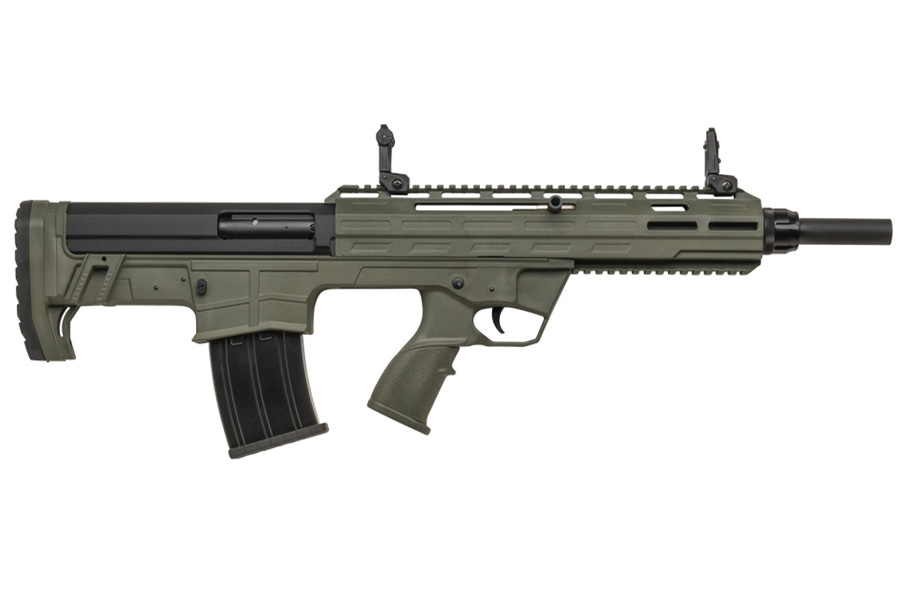
A rugged, semi-automatic shotgun with detachable magazines is commercially available for under $300. A bullpup design would make for ease of stowing the weapon when not in use and would be easier to shoot at the steep upward angles for shooting down a near drone. A ten round detachable magazine for the semi-automatic shotgun would allow the tank crew to engage multiple drones. Ammunition is less expensive than rifle ammunition.
The techniques are easy and cost effective to train soldiers. Skeet and trap shooting is a sport in the Olympics, and a great tool for training soldiers to shoot down drones. The clay targets run about twenty cents a pop and throwers just a few hundred dollars for a quality one. Developing a course of fire and standards to include crossing flights at different ranges and heights would be simple.
An effective anti-drone defense should make use of both jamming technology, some of which is effective to 800 meters, and the kinetic killing power of shotguns. I encourage decisions makers to adopt a simple and cost effective protection for the priceless crews of armored vehicles.
– Galen d. Peterson, Author of Strike Hard and Expect No Mercy

 Galen d. Peterson and Knight Books
This makes a lot of sense. I would bet a higher tech solution is chosen though.
LikeLike